Article

Every thirty days, nearly one in five Medicare patients returns to the hospital they just left. That cycle costs the U.S. healthcare system an estimated $26 billion annually. And a significant portion of those readmissions could have been prevented with better follow-up, earlier intervention, and more continuous monitoring after discharge. For decades, the readmission problem has been framed as a hospital problem. But the real gap is what happens after the patient goes home, especially in primary care and outpatient settings, where nursing teams are already stretched thin and chronic conditions quietly escalate between visits. That gap is exactly where artificial intelligence and remote patient monitoring are beginning to make a measurable difference, and where nurses are emerging as the critical link between raw data and real clinical decisions.
The Readmission Crisis Hiding in Plain Sight
Hospital readmissions are among the most scrutinized quality metrics in American healthcare, and for good reason. The CMS Hospital Readmissions Reduction Program (HRRP) tracks 30-day readmission rates for conditions including heart failure, pneumonia, COPD, and hip and knee replacements, penalizing hospitals up to 3% of their Medicare fee-for-service payments when their rates exceed national benchmarks. In fiscal year 2025, more than 78% of hospitals faced some penalty under this program.
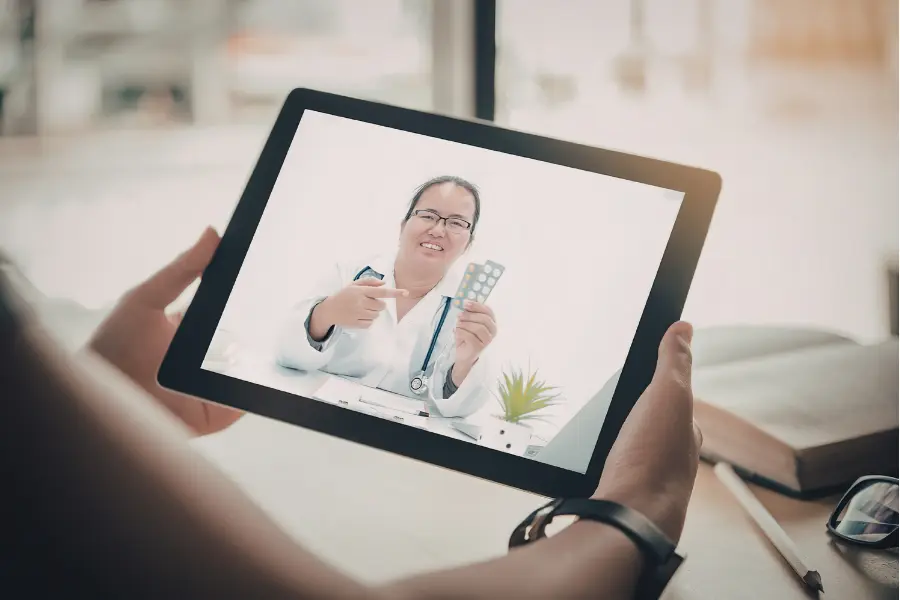
Readmissions are not purely a hospital-generated problem. The average cost of a single 30-day readmission runs roughly $15,200 to $16,000, and the clinical trajectory that leads to that return visit usually begins well after discharge. In the days and weeks when patients are managing medications at home or experiencing subtle symptom escalations that no one catches in time. The traditional model relies on a discharge summary, a follow-up appointment scheduled two to four weeks out, and the hope that patients will call if something feels wrong. Remote patient monitoring, enhanced by AI, offers a fundamentally different approach: continuous observation rather than episodic check-ins, and real-time clinical intelligence rather than retrospective chart review.
Why Primary Care Nursing Has Been Left Behind
Healthcare's AI investment has overwhelmingly favored acute and inpatient settings. That's understandable given the higher acuity and cost concentration in those environments. But it has left a significant gap in where most healthcare actually occurs. Primary care and outpatient settings handle the vast majority of patient encounters in the U.S., and nurses in those settings are often the first and most frequent clinical touchpoints for patients managing chronic conditions. Yet the tools available to them have lagged far behind their inpatient counterparts.
In 2025, the U.S. faced a shortage of approximately 250,710 registered nurses and 81,330 licensed practical nurses. In primary care specifically, approximately 17% of American adults lack a regular primary care provider. These shortages are particularly acute in rural and underserved communities, where a single nurse practitioner may be managing panels of hundreds of patients with conditions like diabetes, hypertension, and heart failure.
When those nurses are spending hours on documentation, manual follow-up calls, prescription refills, and administrative coordination, the time available for proactive clinical intervention shrinks dramatically. AI is restoring nurses' capacity to exercise that judgment where it matters most.
How AI-Enhanced Remote Monitoring Actually Works in Outpatient Settings
Rather than reacting to a single abnormal reading, AI algorithms analyze trends across multiple data points over time. A gradual upward drift in weight combined with decreasing activity levels and slightly elevated heart rate may signal early fluid retention in a heart failure patient, days before that patient would have shown up in an emergency department. These predictive models are trained on population-level data and refined with each patient's individual baseline, producing risk scores that help nurses prioritize which patients need immediate outreach.
Not every out-of-range reading demands clinical action. AI systems learn to distinguish between a one-time blood pressure spike and a sustained pattern that warrants intervention. Nurse-led RPM programs with intelligent alert management could reduce alert fatigue while maintaining or improving clinical outcomes, freeing nurses to focus on genuinely deteriorating patients rather than chasing false alarms.
Automated Care Coordination
Post-visit tasks consume enormous amounts of nursing time in primary care: ordering labs, sending referrals, generating follow-up instructions, and coordinating with specialists. Platforms like Sully are specifically tackling this bottleneck in ambulatory settings. Sully's AI-driven workflow automation handles tasks from pre-visit insurance verification and patient data collection through real-time clinical documentation and post-visit follow-up. Clinics using this type of automation have reported saving over 2 hours per clinician per day and increasing visit capacity by more than 20%, directly expanding the bandwidth available for proactive monitoring that prevents readmissions.
The Evidence: What the Data Shows About Nurse-Led AI Monitoring and Readmissions
Mayo Clinic's Nurse-Led RPM Program
One of the best-documented implementations comes from the Mayo Clinic, which developed a centralized nurse-led RPM program targeting patients with complex chronic conditions. Patients who actively engaged with RPM technology experienced significantly lower rates of 30-day all-cause hospitalization (13.7% versus 18.0%), prolonged hospitalization beyond seven days (3.5% versus 6.7%), and ICU admission (2.3% versus 4.2%). Nurses served as the clinical backbone of the program, coordinating patient needs, responding to vital sign alerts, and using RPM data to inform individualized assessment, education, and care planning.
Safety-Net System Implementation
A separate implementation in a safety-net health system found that readmission rates declined from 27.9% to 23.9% after deploying AI-based tools for post-discharge monitoring. What made this case particularly notable was the population: safety-net patients typically face higher readmission rates due to social determinants of health that standard clinical monitoring alone can't address. The AI system's ability to flag patients whose risk profiles extended beyond purely clinical markers helped care teams deploy community health resources more effectively alongside standard clinical follow-up.
Broader Meta-Analytical Findings
A prospective, randomized controlled trial of patients with chronic conditions monitored with or without RPM upon hospital discharge found a statistically significant reduction in 30-day readmissions among RPM-supported patients: 18.2% compared to 23.7%. Heart failure-specific programs have shown even more dramatic results, with some published studies reporting up to a 50% reduction in 30-day readmissions among monitored patients.
These outcomes aren't driven solely by the technology. In every successful implementation, nurses are the interpretive layer. The professionals who receive the AI-generated insights contextualize them with patient knowledge and make the clinical decisions that translate data into action.
The 2026 Reimbursement Shift: Why This Is a Tipping Point
Starting January 1, 2026, CMS has reduced the minimum patient data collection requirement for RPM and Remote Therapeutic Monitoring (RTM) billing from 16 days to as few as 2 days per month, and shortened the minimum management time to as little as 10 minutes. This change is significant because it makes RPM economically viable for shorter care episodes, including the critical 30-day post-discharge window where readmission risk is highest.
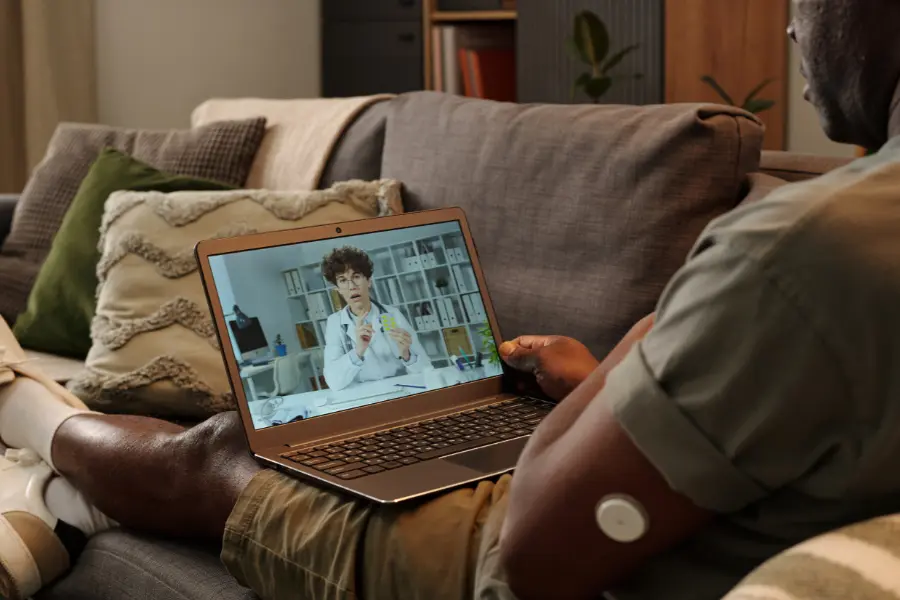
The updated codes also broaden the range of eligible providers, explicitly recognizing the role of nurses and other clinicians involved in multidisciplinary remote care. This is a structural recognition that RPM-based care coordination is clinical work that deserves reimbursement and that the nurses performing it deliver measurable value. Additionally, 2026 marks the first year that CMS has introduced CPT codes specifically recognizing AI-augmented clinical services. Seven new codes cover AI applications in diagnostics, pattern analysis, predictive analytics, and workflow automation, laying the groundwork for practices to be compensated not just for monitoring, but for the intelligent analysis that makes monitoring actionable. For primary care practices weighing the investment in RPM infrastructure, these changes significantly shift the cost-benefit analysis.
What Effective Implementation Looks Like in Practice
Nurse-Centered Workflow Design
The most effective RPM programs are designed around nursing workflows, not bolted onto them as an afterthought. This means integrating monitoring data directly into the EHR, building alert-response protocols that align with existing care team structures, and ensuring nurses have both the training and time to act on AI-generated insights. When AI tools are designed with nursing input from the start, adoption rates and clinical effectiveness both increase.
Chronic Disease Prioritization
Not every patient population benefits equally from remote monitoring. The strongest evidence supports RPM for patients with heart failure, COPD, diabetes, and hypertension, which are conditions where daily physiological data points correlate strongly with disease trajectory and where early intervention can prevent acute decompensation. Effective programs begin with these high-yield populations rather than attempting to deploy universally.
Patient Engagement Infrastructure
Technology only works if patients use it. Successful programs invest in onboarding, like teaching patients how to use devices, setting expectations for data collection frequency, and establishing clear communication channels. Patient engagement with RPM technology is itself a significant predictor of outcomes, making the initial enrollment and education phase as clinically important as the monitoring phase.
Integration With Social Determinants
The most sophisticated programs recognize that clinical data alone doesn't capture the full picture of readmission risk. Transportation barriers, medication affordability, caregiver availability, and food security all influence whether a patient returns to the hospital. AI models that incorporate social determinants indicators alongside physiological data provide nursing teams with a more comprehensive risk picture and more actionable intervention options.
Navigating the Challenges: What Stands in the Way
Despite the evidence and the shifting reimbursement landscape, meaningful barriers remain.
Workforce readiness is perhaps the most immediate challenge. Nearly 90% of healthcare workers report using AI in some capacity, but the depth of competency varies enormously. Nurses need training in interpreting AI-generated risk scores and maintaining critical clinical judgment alongside algorithmic recommendations. Academic nursing programs are beginning to incorporate AI literacy, but the gap between what's taught and what's needed in practice remains significant.
Interoperability continues to frustrate implementation. Many primary care practices run on EHR systems that don't communicate smoothly with RPM platforms, creating data silos that undermine the continuous monitoring model. A blood pressure trend that exists only in a standalone RPM dashboard, disconnected from the patient's medication history and lab results in the EHR, loses much of its clinical value.
Equity concerns are real and must be addressed directly. Patients in rural areas may lack reliable broadband for connected devices. Elderly patients may struggle with device interfaces. Low-income patients may not have smartphones needed for certain platforms. Effective programs must design for these realities rather than assuming universal digital access.
Data privacy and algorithmic transparency round out the concern list. Patients and clinicians alike need to understand how AI models generate their recommendations, what data they're using, and how privacy is protected. Nurse practitioners must be central to ensuring AI is implemented responsibly and that clinical decision-making authority remains with human practitioners.
The trajectory is clear, even if the pace of adoption will vary across settings. By 2028, AI-driven remote monitoring in primary care will likely move from early adoption to standard practice for high-risk chronic disease populations. The convergence of expanded reimbursement, maturing AI platforms, and growing workforce familiarity with these tools creates conditions for rapid scaling. The global healthcare workforce shortfall makes this shift not just desirable but necessary.
The role of the nurse in this ecosystem is evolving, not diminishing. AI handles the data processing, pattern recognition, and workflow automation. Nurses provide the clinical reasoning and contextual judgment that no algorithm can replicate. The most accurate way to describe what's happening isn't "AI replacing nurses." It is AI restoring nurses to the top of their clinical license by removing the administrative burden that has pulled them away from direct patient care. The question is no longer whether AI-enhanced remote monitoring works. The evidence on that point is increasingly settled. The question is how quickly they can implement it effectively, with nurses at the center of the design, the delivery, and the clinical decision-making that turns data into outcomes.
Sources:
Charted: Hospital Readmission Penalties for 2025 — Advisory Board
Reducing Readmissions in the Safety Net Through AI and Automation — AJMC
The State of Remote Patient Monitoring for Chronic Disease Management in the United States — JMIR
Nursing Shortage in 2025: Causes, Stats & Key Facts — RegisteredNursing.org
AI Should Make RPM Scalable, Sustainable, and Successful in 2026 — Healthcare IT News
Digital Health Evolution in Remote Monitoring and AI Codes — Avalere Health
Clinical Workflow Automation: Boosting Efficiency in Ambulatory Care — Sully.ai
Reducing Hospital Readmissions — StatPearls / NCBI Bookshelf
Can Artificial Intelligence Help With a Primary Care Provider Shortage? — NPR
Charted: More Hospitals to Face Readmission Penalties in 2026 — Advisory Board


Article

Keep reading

Article
/
How to Add an AI Receptionist to AdvancedMD, Where the Strategy Is to Stop the Phone Ringing
AdvancedMD's strategy is to stop the phone ringing, but patients still call. See what its texting covers, what it misses, and a one-week vendor evaluation.
Article
/
How to Add an AI Receptionist to NextGen and Why the Native AI Does Not Answer the Phone
The AWV is not a physical—Medicare prohibits billing both on the same day without a modifier. See what the visit must include, the fee, and worked examples.
Article
/
How to Add an AI Receptionist to eClinicalWorks and the 23 Percent That Still Reaches a Human
CCM requires 20 minutes of non-face-to-face time and a care plan—but the clock stops the moment the patient is in the room. See billing rules and examples.
